


简介
最小起订量(MOQ)是买家向补充剂制造商询问的首要问题之一,也是最容易被误解的问题之一。MOQ并非报价中随意添加的数字,而是原料采购、生产设置、包装供应和质量工作能够组织成可行批次的关键点。.
零售货架上看起来相似的两款产品,其最小起订量可能差异很大。使用普通瓶子的标准配方可能比使用低产量植物成分、定制软糖模具和印刷纸盒的定制配方更容易启动。了解成本驱动因素有助于买家获得更合理的报价,并选择正确的上市策略。.

MOQ是多个最小值的综合结果
报价可能涉及单位、瓶子、千克、片剂、软糖或成品箱。买家应始终询问该数字的含义以及包含哪些内容。生产最小量可能可行,而印刷袋供应商要求的最小薄膜量可能超过首批消耗量。未使用的材料可能需要单独购买、存储或收费。.
因此,比较报价时应使用相同的范围。确认配方、每包单位数、包装规格、检测、设计稿、箱规和运输基础。排除必要包装或检测的低MOQ与完整的成品方案不可直接比较。.
配方复杂性与原料采购
原料可用性是MOQ的主要驱动因素。常见维生素、矿物质和基础材料可能以适合生产的数量供应,而特殊品牌原料、定制提取物或独特风味可能自带供应商最小量。添加量也很重要:低添加率可能导致一次生产后剩余过量材料。.
定制配方可能需要开发批次、风味掩盖或工艺调整才能规模化。这些成本不一定增加物理批次最小量,但会影响小规模项目的商业可行性。询问原料是否专门为您的订单采购,以及剩余材料如何处理。.
剂型与生产设置
每种剂型都有其自身的设置要求。片剂冲模、软糖浇注、软胶囊封装、粉末混合和液体灌装使用不同的设备和清洁程序。无论批量大小,生产线都必须准备、检查和清空,因此设置时间分摊到整个批次中。.
标准片形或胶囊尺寸可能比定制模具或冲模更简单。单条装棒状包装可能需要足够的混合物和薄膜来稳定填充和密封过程。软胶囊可能涉及最小填充量和壳制备量。正确的问题不是哪种剂型总是MOQ最低,而是哪种剂型最适合配方、消费者和计划销量。.
| 剂型 | 典型MOQ驱动因素 | 规划问题 |
|---|---|---|
| 软糖 | 胶凝批次、活性负载、风味、模具和瓶数 | 标准或定制形状?果胶还是明胶? |
| 片剂 | 混合物大小、冲模、包衣和瓶或管 | 标准冲模?包衣还是未包衣? |
| 软胶囊 | 填充制备、壳、尺寸、颜色和封装运行 | 油基还是混悬液?标准壳和尺寸? |
| 粉末 | 混合物均匀性、单次重量、罐装或棒状填充 | 散装罐、袋装还是单独小袋? |
| 液体 | 混合体积、瓶尺寸、滴管或封盖 | 水基还是油基?风味和防腐需求? |
包装通常决定实际最小量
包装可能设定比生产更高的最小量。库存瓶和封盖可能支持较小订单,而定制颜色容器、印刷管、装饰盖和专用泵通常需要专门采购。标签相对灵活,但表面处理、材料和印刷方法仍影响设置成本。.
软包装值得特别关注。印刷袋或棒状包装薄膜通常以连续数量生产,因此印刷供应商的最小量可能超过首批消耗量。纸盒和展示盒也有经济印刷数量。询问有多少组件会被使用,多少剩余,以及是否可能重复使用。.
剂型和包装如何改变MOQ
这些真实产品剂型表明,单一通用MOQ没有意义。.
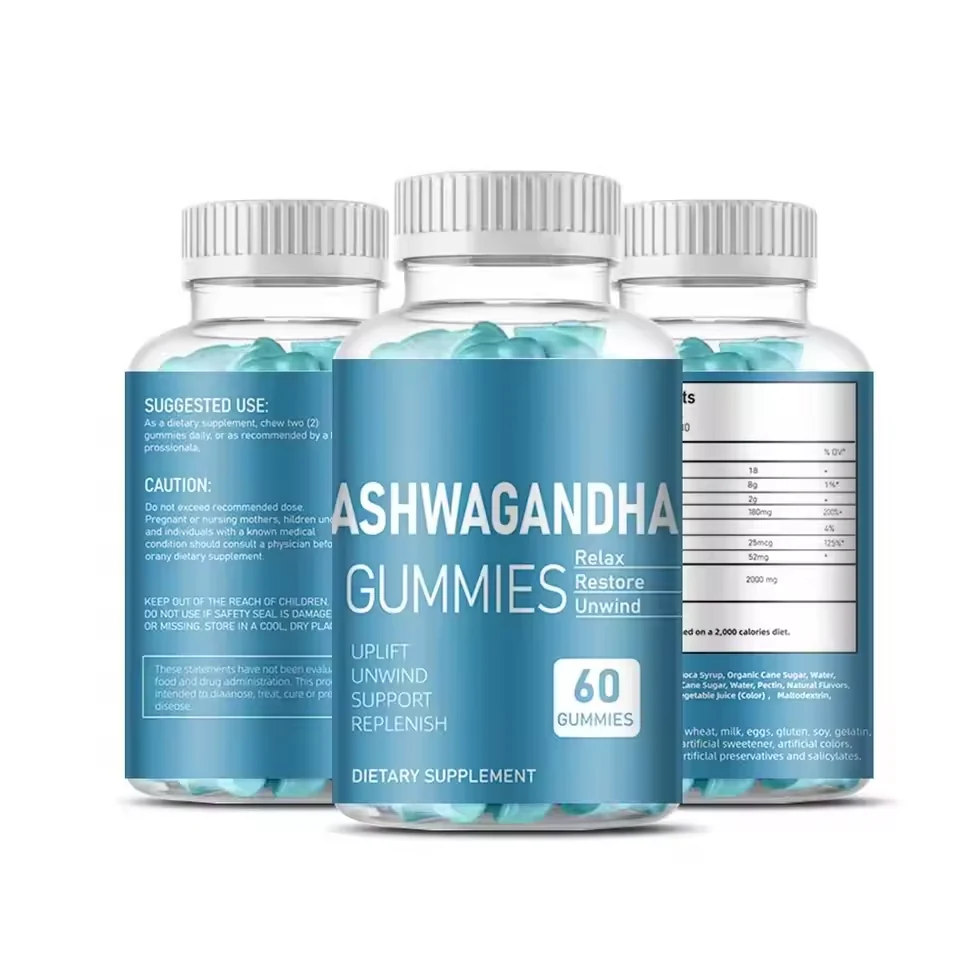
瓶装软糖
配方批次、软糖形状、数量、瓶、盖、标签和纸盒都影响起始数量。.
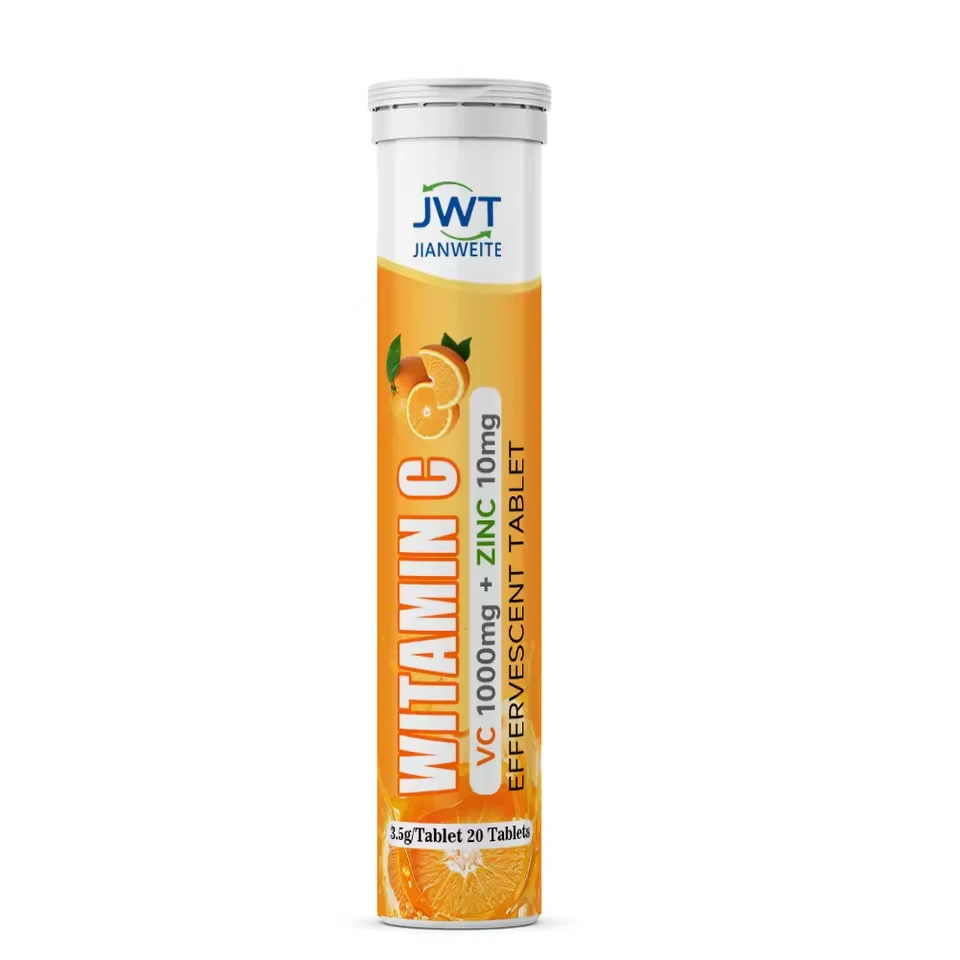
片剂管装
片剂生产和防潮管采购必须作为一个完整成品包来规划。.
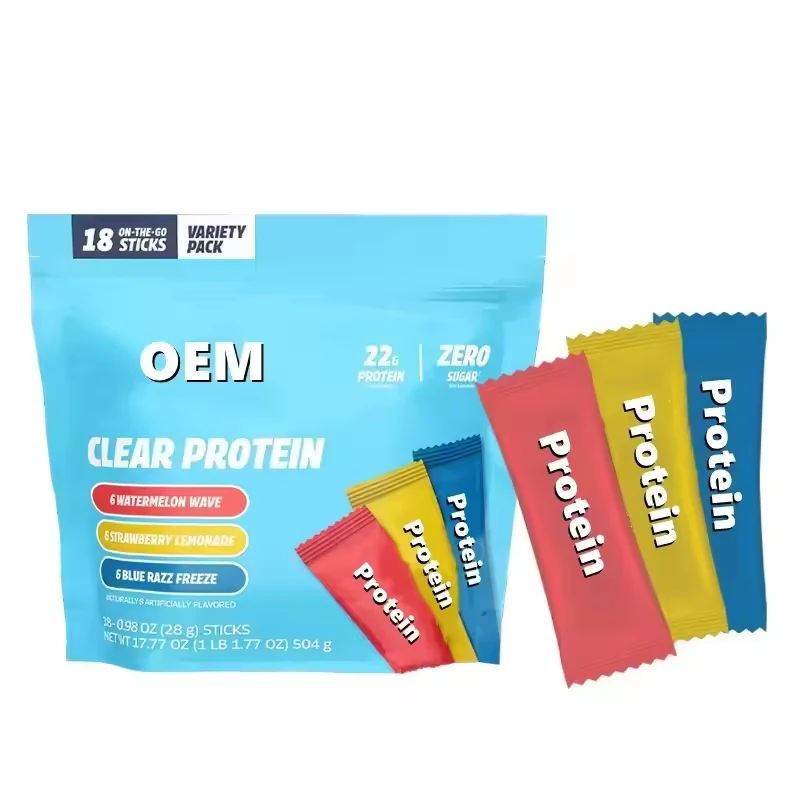
棒状包装
混合物大小、小袋薄膜、印刷和每箱单位数可能使包装成为主导最小量。.
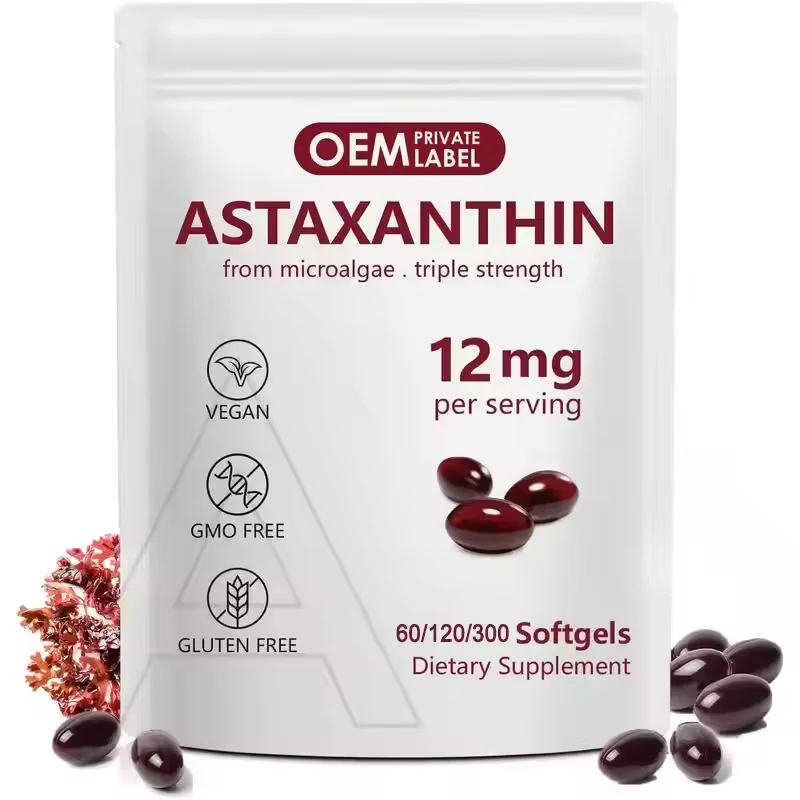
软胶囊瓶装
填充、壳、封装、瓶数和组件采购需要协调一致。.
检测和文档有固定成本
即使批次很小,质量工作也是必需的。必须审查规格、完成生产记录并执行商定的成品检查。一些实验室检测按样品而非按瓶定价,因此相同的检测成本对小批量影响更大。.
不要通过悄悄移除必要质量工作来减少订单。相反,请制造商解释包含哪些检测,哪些是配方或市场特定的,以及是否可适当使用已验证结果或材料的支持文档。检测计划应在比较报价前商定。.
定制化增加协调复杂性
定制化创造差异化,但每个独特元素都可能引入新的最小量。定制软糖形状可能需要模具。专有颜色可能需要专用包装运行。品牌原料可能有供应商协议。复杂多成分配方可能需要额外取样和采购协调。.
买家通常可以在保留概念中最重要部分的同时,简化次要元素。例如,保留独特配方但首次上市使用标准瓶,或采用标准软糖形状而投资于醒目的标签设计。这是一种战略性取舍,而非降低产品质量。.
如何请求可比较的MOQ报价
向每家制造商发送相同的简报,并要求显示假设条件。报价应明确配方路线、食用份量、剂型、每包数量、包装组件、包含的测试、样品费用、交货期基准和有效期。如果模具、印版或设计支持是单独收费的,应予以列出。.
定义成品单位
明确说明一个可销售单位包含什么以及如何包装。.
请求两到三个数量级别
Compare an opening order with realistic reorder and scale-up quantities.
Separate One-Time Costs
Identify development, tooling, print setup and artwork costs that may not repeat.
Confirm Included Testing
Make sure each quote uses the same quality and documentation scope.
Ask About Excess Components
Understand ownership, storage life and reuse of remaining labels, cartons or film.
Check Reorder Conditions
Confirm whether the next run can use retained components and the same approved specification.
Ways to Start Smaller Without Creating a Weak Product
- Select an established base formula when it meets the brand’s real positioning.
- Use standard bottle, closure, capsule size, tablet tooling or gummy shape.
- Customize the label and carton before investing in a custom container.
- Limit opening flavors or variants instead of splitting volume across many SKUs.
- Choose one pack count and one market language for the initial production run.
- Plan a realistic reorder so remaining printed components can be used before they age.
Avoid splitting one small order into too many flavors, strengths or package sizes. Each SKU can create separate material, setup, artwork, testing and inventory requirements. One well-defined launch product usually generates better learning than several under-supported variants.
Unit Price Is Not the Same as Total Project Cost
A larger batch often reduces unit cost because setup, testing and project work are distributed across more saleable units. However, the lowest unit price is not automatically the best decision. Excess inventory consumes cash, warehouse space and remaining shelf life. Buyers should compare total landed cost with a realistic sales forecast.
Build a simple model using finished units, development and setup costs, included testing, freight, duties, storage and expected sell-through. Then compare the cost of ordering too little, which can cause stockouts and repeated setup, with ordering too much, which can create aging inventory.
Questions to Ask About MOQ
- Is the MOQ measured in finished units, bulk weight or production pieces?
- Which ingredient or packaging component sets the minimum?
- Are formulation, sampling, testing and printing included?
- Can stock components be used for the first order?
- What one-time costs will not repeat?
- What happens to unused printed packaging or project-specific ingredients?
- How do price and lead time change at the next two volume levels?
Supplement MOQ FAQ
Why can two manufacturers quote different MOQs?
They may use different equipment, ingredient suppliers, packaging sources, testing scopes or commercial assumptions. Compare the complete finished-goods specification rather than the headline number alone.
Does a stock formula always have a lower MOQ?
It can reduce formulation and ingredient complexity, but packaging, dosage form and production scheduling still affect the final minimum.
Can packaging have a higher MOQ than the supplement itself?
Yes. Printed film, custom containers, tubes, caps and cartons can have supplier minimums above the production quantity.
Should I order more only to get a lower unit price?
Only when the sales forecast, storage conditions, cash flow and remaining shelf life support the larger quantity. Evaluate total inventory risk as well as unit price.
Build the MOQ Around a Launch Plan
A useful MOQ is the smallest quantity that can be produced, packed, reviewed and delivered without undermining the approved product. When buyers understand the governing ingredient, process and packaging minimums, they can simplify the right elements and protect the parts that create genuine brand value.
Share the intended formula, dosage form, pack format, target market and estimated volume with Hongri Pharma for a project-specific assessment. You can also review our OEM/ODM service scope before requesting a quotation.
Need help with a similar request?
Share your product requirements, timeline and cooperation goals. We can help clarify the next step.